
It might feel early to talk New Year’s resolutions—but when it comes to marketing planning, 2026 is basically knocking at the door with a clipboard and some serious questions. Time to start digging for answers with strategic marketing research!
If you’ve ever muttered things like, “Next year, we’re going to be more strategic,” or, “We cannot keep chasing our tails every month,” congrats! You’re in the right place (and also: same).
This intro to strategic planning will help you lay the groundwork now. Strut into 2026 with a leash in one hand and a bold, clear plan in the other, ready to stretch those creative muscles and stop rolling over for chaos.
So… what is strategic planning for marketing?
Strategic marketing planning is the process of building an intentional framework for impactful communications. In other words, and figuring out where you’re going before you jump in the car and hit the gas.
When most people think “marketing,” their brains jump to social media posts, emails, ad campaigns and random swag no one asked for. But we’re zooming out from those one-off tactics to build the big-picture plan behind them.
Strategic communication is:
- Planned (not “panic-posted”)
- Research-based (facts > vibes)
- Intentional (your move has a why)
- Solution-oriented (because whining is not a strategy)
- Measurable (so you can high-five yourself later)
What it’s not: reactive chaos.
With a real-deal marketing strategy in place, your team gets to enjoy the creative process. Volunteers can contribute without total confusion. And most importantly? You’re not chasing squirrels and getting nowhere.
But what if we like chasing squirrels?
Oh, we get it. If our love of dogs has taught us anything, it’s that some things are hardwired (and squirrels are fun). But here’s the trick: instincts can be trained. Strategy is like a good backyard fence—it keeps the chaos contained while still giving you room to run.
So, no, your squirrel-chasing days aren’t over. They just need a little structure. A solid strategy gives you the tools to pause and ask: “Is this squirrel worth the sprint?” Sometimes the answer is yes. Sometimes you let it go and howl dramatically at the fence. Balance.
Let’s take it from the top.
Strategic planning can be a lot. But don’t worry—we’re not going to bury you in buzzwords. This blog is the start of a series, and right now we’re giving you the high-level sniff test of what’s ahead:
- Research
- Goal + objective setting
- Messaging
- Content strategy
- Measurement + evaluation
That’s the list. Short. Sweet. Powerful.
Today, we start with research. Next up: setting goals like the overachiever we know you are.
Situational analysis (What’s the world doing?)
What are the political, economic, social, and technological conditions (aka: the PEST factors) likely to impact your organization in the coming year? Think elections, policy shifts, emerging tech, cultural trends, economic instability or anything else that might knock your plans off course—or open new doors. This PEST analysis feeds right into the opportunities and threats in your SWOT analysis, along with organizational strengths and weaknesses.
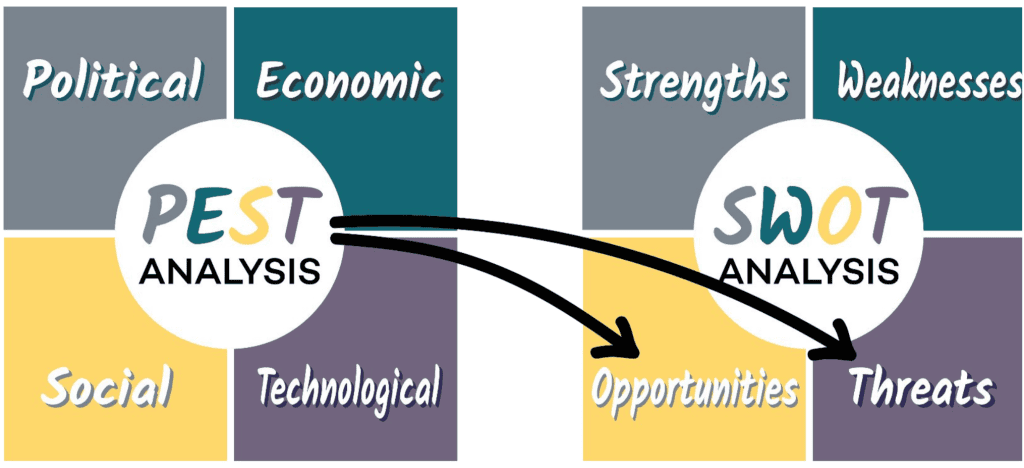
Here’s a totally made-up ( ) example of what a small business’s situational analysis might have looked like in the fall of 2025:
There’s a big political election coming up (again). The results will shape major social issues—everything from who controls the narrative to what policies take center stage for the next four years.
On the tech front, regulations could impact everything from which apps we can use (sorry, TikTok) to how platforms collect and share data. Clean energy development might speed up or stall completely, depending on who’s holding the pen.
Over in economic news, something called tariffs may or may not wreak havoc. Taxes might go down—or not. Subsidies and government support could vanish or explode. It’s basically Schrödinger’s economy.
Now zoom into your business: let’s say your strength is small-batch, local manufacturing. That’s great! You’re less vulnerable to chaos in international trade. You’ve got the opportunity to hold pricing and production steady while competitors scramble.
But maybe you also rely on a small group of agricultural workers who are primarily immigrants. The weakness of having a limited workforce could turn into a major threat if immigration enforcement tightens. If workers feel unsafe, your entire operation could suffer.
Not that any of that would ever happen.
This kind of analysis isn’t about doomsday prepping—it’s about staying aware and adaptable. Your strategy doesn’t exist in a vacuum, and the more you understand your external environment, the better you can plan within it.
Audience analysis (Who are we talking to, and why should they care?)
Your audience isn’t everyone. (Unless you like wasting time and money. Then carry on.)
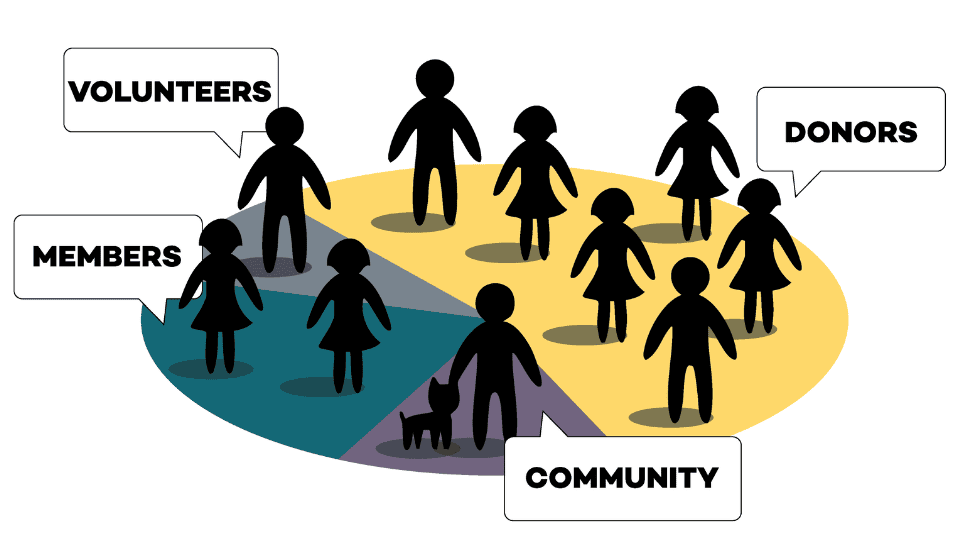
Start with what you know. Dig into your data: who donates, buys, signs up, shows up and shares? What do they care about? Where are they hanging out online? What keeps them up at night—or what gets them barking with excitement?
Ask these key questions for each audience group:
- Where are they? (IRL + online)
- How are we reaching them? (Or… are we?)
- What do they want?
- What do you want them to know?
- What do you want them to do?
What about personas?
Personas can be helpful if you’re building them with real data. But be careful—you’re not casting characters in a rom-com. It’s easy to fall into the trap of imagining your ideal customer based on personal experiences and assumptions. That’s not strategy, it’s fan fiction.
You don’t need to give your personas first names, favorite lattes or Spotify Wrapped results unless that info actually impacts your work. Only include demographic details like age, race, gender or ethnicity if they’re relevant to your strategy. And if they are? Don’t make it up—defer to the data.
If you’re short on that kind of info, build data collection into your upcoming plans—think post-event surveys, optional demographic fields on sign-ups or even an audience research campaign.
Competitive/collaborator analysis
Who else is out there doing what you do? Are they working for you, against you or simply alongside you?
For-profit orgs: This is where you identify who your potential customers might go to instead of you. But let’s go one better: are they competitors—or could they be collaborators?
Nonprofits: This is your time to shine. Who’s doing work similar to yours? Can you amplify each other? Combine efforts? Form a little pack and howl louder together?
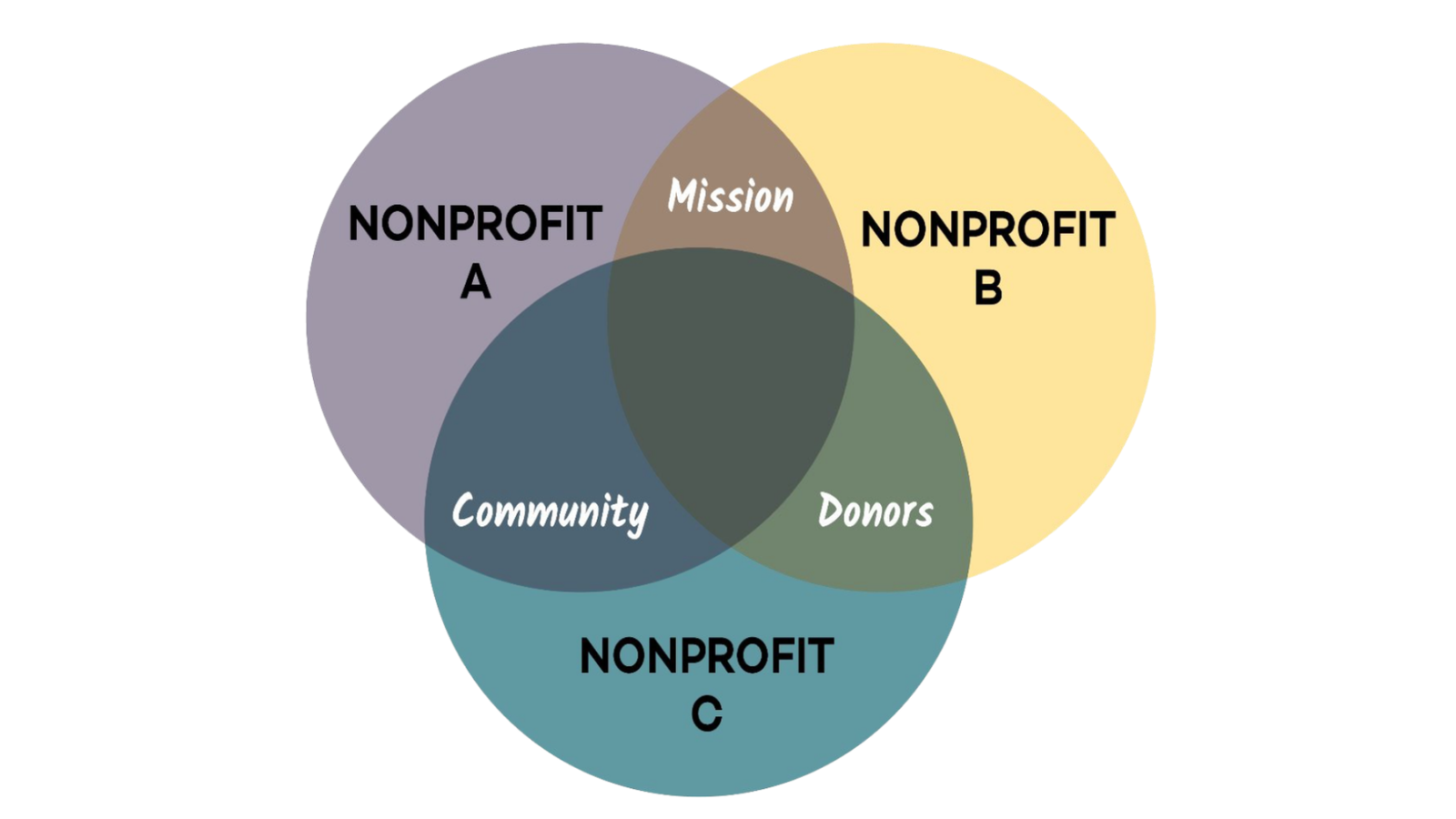
Do a good ol’ fashioned Google search. Who’s ranking for the stuff you do? Who’s popping up in your space? List them in your strategy doc, include a quick rundown of what they do, who they target and how they might be a threat—or an unexpected opportunity.
Moral of the story?
Strategic marketing isn’t just for the Type-A folks with color-coded planners and snacks in their bags (though, respect). It’s for everyone who’s tired of throwing spaghetti at the wall—or content at the internet—and hoping it sticks.
Start with research. Know your people. Scope out the field. And build from there. You’ve got this—and we’ve got more blog posts coming to help you every step of the way.
So go on, sniff out some insights.
Next up: goals and objectives that don’t make your eye twitch. Stay tuned.
Want help putting your strategy together without losing your mind (or your weekend)? We’re here for that. Let’s talk about your big idea.